• Royal Corona Bean
  • Royal Corona Bean
  • Royal Corona Bean
  • Royal Corona Bean

Rancho Gordo

Royal Corona Bean

Regular price $9.00

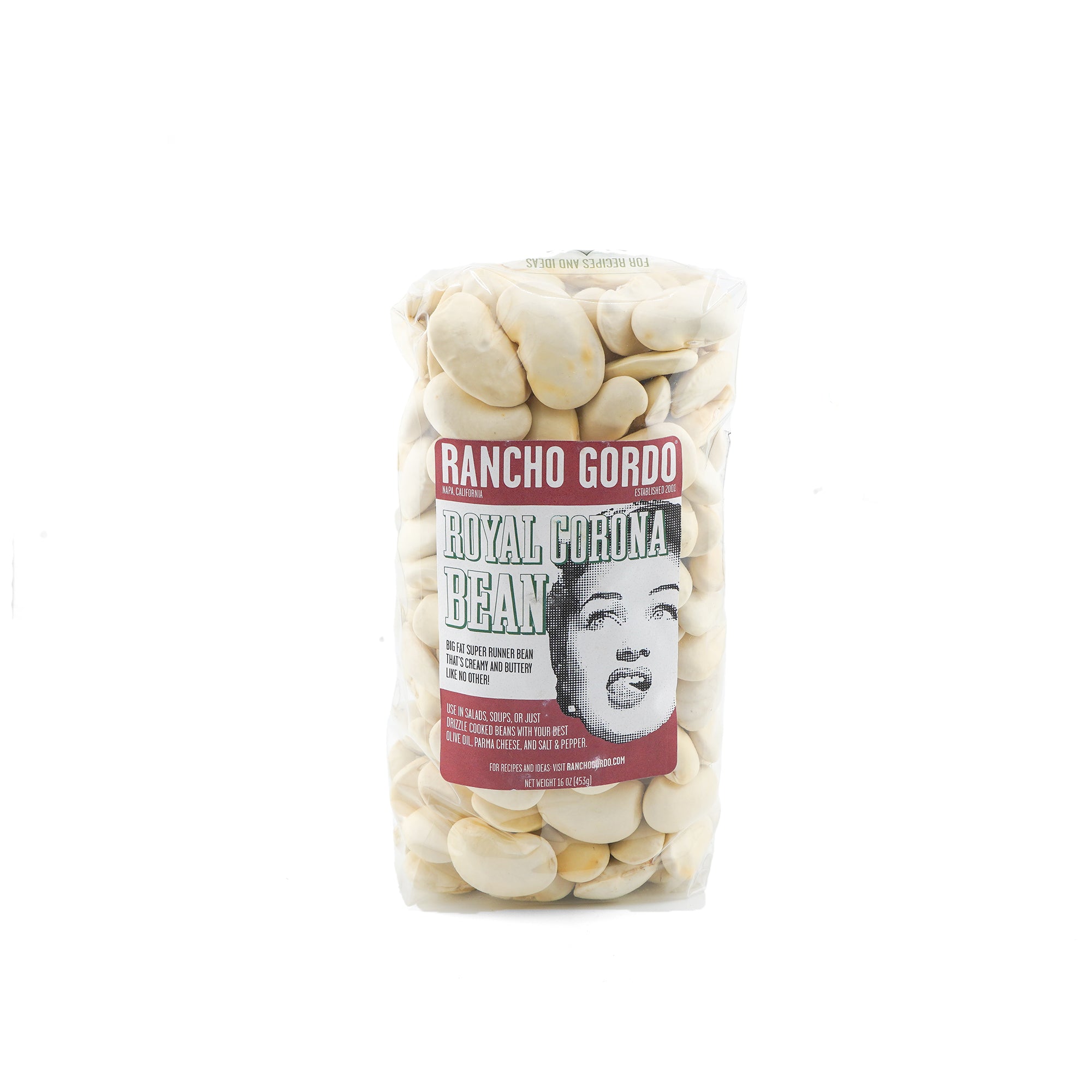
A true pantry staple; enormous, thick-skinned runner beans with a surprisingly creamy interior. A versatile giant that works in all kinds of cuisines.

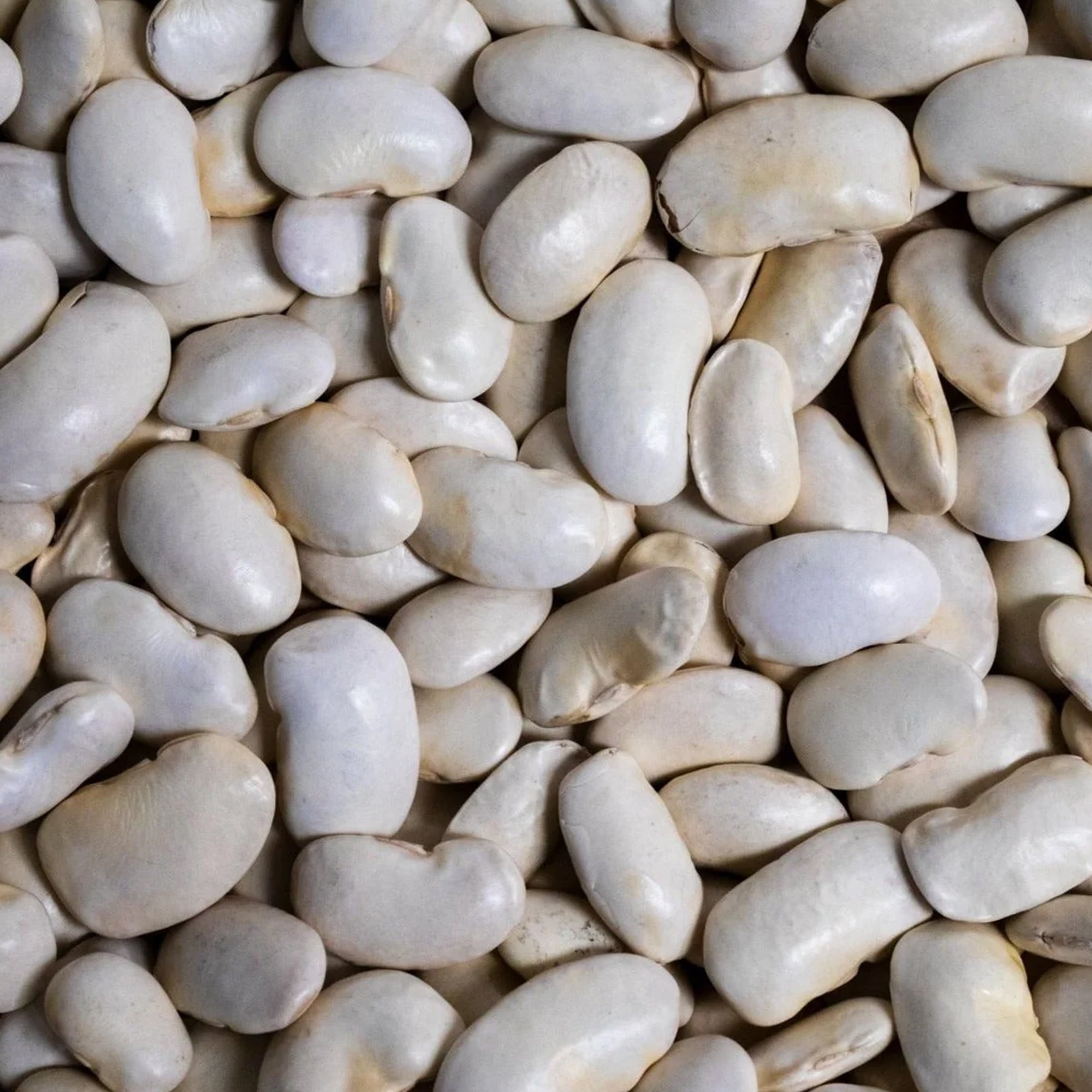
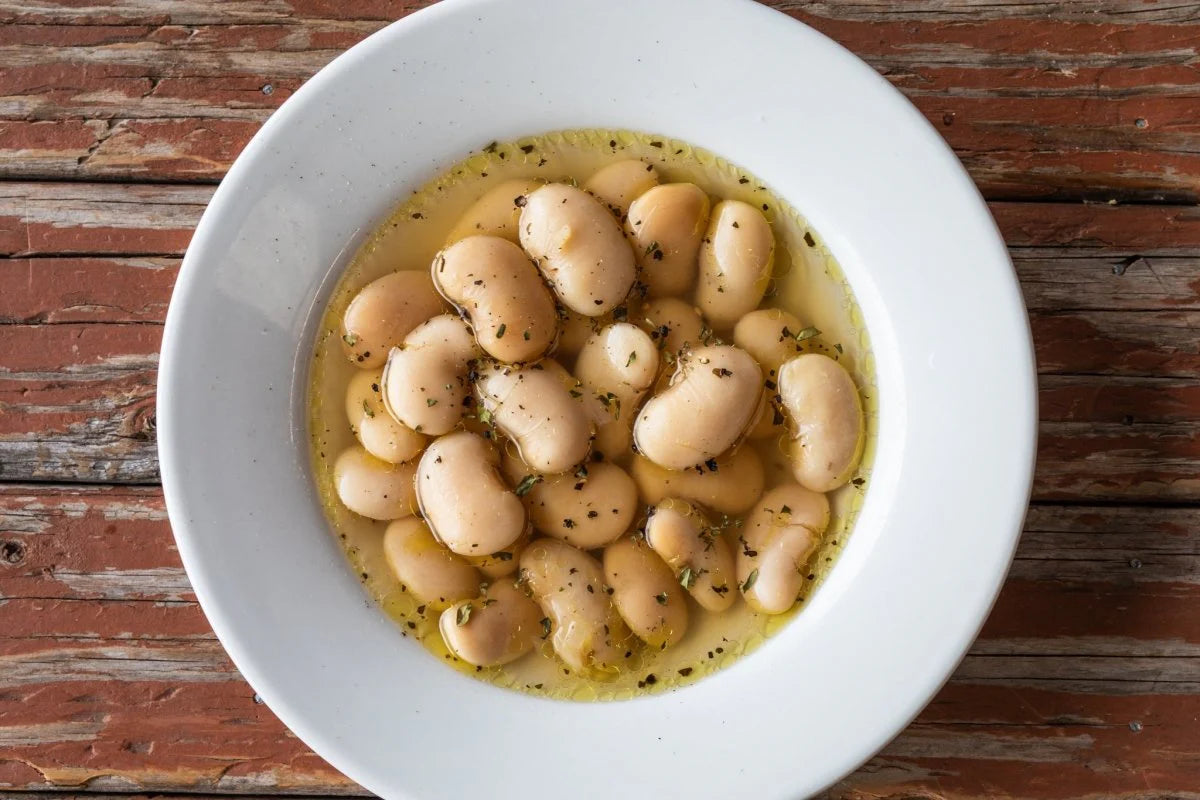
A hand-harvested crop straight from Europe into your pantry. Giant, fat, white runner beans that are creamier and more luxurious than Greek and Spanish gigandes and a little denser than traditional Italian coronas. Royal Corona beans can replace any white bean, but be prepared to be astounded by how big they are when cooked. Fully cooked, they can be a little starchy but you can also keep cooking until they reach the creamy point.

This is Rancho Gordo's first venture outside of the Americas (although this bean's origins are clearly in Mexico) and they are happy to offer this giant legume, created in Mesoamerica, bred in Italy, and grown in Poland. 

Martha Rose Shulman praised them in the New York Times: "Royal Coronas are large white European runner beans that are similar to Greek gigandes but bigger, richer and sturdier. They are about twice the size of a lima bean and, unlike many other large white beans, the skin doesn’t slip off when you soak them."

1 lb bag.

  • Check beans for debris, and rinse thoroughly.
  • In a large pot, sauté aromatic vegetables (onions, garlic, celery, carrot, etc.) in olive oil.
  • Add beans and enough water to cover by about 2 inches.
  • Bring to a full boil for 10 to 15 minutes.
  • Reduce heat to a gentle simmer, using a lid to help regulate the heat, and gently cook until done, 1 to 3 hours.
  • Salt when the beans start to soften. A pre-soak of 2 to 6 hours will lessen the cooking time.

All of Steve Sando's (founder and CEO of Rancho Gordon) agricultural pursuits have been driven by a passion for cooking and a frustration with the limited availability of certain ingredients—particularly those native to the Americas. One of the qualities that initially drew him to beans was their indigenous origin. To him, these native ingredients should be familiar, if not commonplace. As American cuisine continues to reinvent itself, they hope to see ingredients, traditions, and recipes from both North and South America play a larger role in that evolution. They love the concept of “The Americas” and believe it is just as essential as the European heritage many people share.